






Quick Summary
Key takeaways from this guide
- High-grade low-modulus external silicone or MS polymer sealant lasts 10 to 20 years when applied correctly to clean, primed masonry.
- Cheap acrylic mastic or DIY silicone applied outside often fails within 12 to 24 months from UV radiation and freeze-thaw cracking.
- The 5 classic signs of external mastic failure are cohesion splitting down the bead centre, adhesive peel from brickwork, shrinkage, cracking, and internal damp.
- Applying a thin 'capping' bead over old external mastic is guaranteed to fail; the joint must be fully raked out, cleaned, and fitted with foam backing rod.
- Next Level Sealants provides external window, door, and commercial façade resealing across the North West and nationwide with IPAF, PASMA, and IRATA rope access.
Fixed Quotes From £150 · Zero Call-Out Fee
Need mouldy silicone stripped & resealed? Send 2 or 3 photos to Liam for a fixed price.
The realistic lifespan of external mastic
01A correctly specified and professionally installed external mastic joint typically lasts between 10 and 20 years in UK conditions. However, many domestic installations fail in under two years.
Why is there such a massive difference? Because external mastic operates under extreme environmental punishment. In the UK, exterior joints endure freezing winter sub-zero temperatures, intense summer UV radiation, wind-driven torrential rain, and continuous building thermal movement.
The actual lifespan depends primarily on three factors: the chemical polymer used (cheap acrylic vs low-modulus neutral silicone), whether the joint was fitted with foam backing rod to allow movement, and how thoroughly the masonry and frame were prepared before application.
External sealant lifespan by chemistry and exposure
02Not all cartridges are equal. Grabbing the wrong product for an exterior joint guarantees early breakdown. Here is how common sealant chemistries hold up outside:
| Sealant Chemistry | Typical UK Lifespan | UV & Weather Resistance | Movement Rating | Trade Verdict |
|---|---|---|---|---|
| Low-Modulus Neutral Silicone | 15–20+ Years | Exceptional. Unaffected by direct sunlight, frost, or driving rain | High (±25%) | The gold standard for external UPVC, aluminium, and timber window/door perimeters |
| Hybrid / MS Polymer | 12–18 Years | Excellent. Superior adhesion to damp brickwork; paintable with water-based coatings | High (±20–25%) | Ideal for building façade perimeters and multi-surface masonry junctions |
| Polyurethane (PU) Sealant | 10–15 Years | Good. Immense abrasion and tear resistance; can chalk slightly under intense UV | High (±25%) | Best for ground-level expansion joints, concrete perimeters, and commercial slabs |
| Polysulphide Sealant | 15–20 Years | Very High. High chemical and fuel resistance; traditional heavy-civils product | Medium to High (±20–25%) | Used on high-spec commercial and public buildings; requires specialist priming |
| Standard DIY Acrylic Caulk | 1–3 Years | Very Poor. Breaks down under rain, shrinks heavily, and turns brittle in winter | Low (±7.5–12.5%) | Strictly for internal decorating. Never use outside; cracks and washes out |
Five warning signs your external window and door mastic has failed
03External sealant failure often goes unnoticed until water has already soaked into internal plasterboard and cavity insulation. Inspect your exterior windows and doors for these five symptoms:
1. Adhesive failure (peeling away): The sealant bead has unbonded and peeled cleanly away from either the UPVC window frame or the external brickwork/stone reveal.
2. Cohesion splitting (centre tear): A continuous hairline crack or split has opened down the centre line of the silicone bead itself, caused by excessive joint movement.
3. Hardening and crazing: The rubber has lost its soft, elastic feel and become hard, brittle, and cracked like old plastic, caused by UV degradation.
4. Damp window reveals and peeling internal paint: Water entering behind failed external mastic tracks through the cavity, soaking internal plaster reveals and causing bubbling paint or black mould around the frame inside.
5. Draughts and acoustic leaks: If you feel cold air whistling around your window frames on windy days, the external perimeter seal has ruptured and is no longer airtight.
Send photos for a fixed quote.
Whether you need bathroom silicone resealed mould-free, tile regrouting, window perimeters sealed, or commercial movement joints, Liam confirms a fixed price from photos before you book, backed by our 5-year guarantee.
What causes external sealant to fail prematurely?
04When external mastic splits or pulls away after only 2 or 3 years, one of four application errors is almost always responsible:
1. Missing foam backing rod (three-point adhesion): In deep gaps between frames and masonry, sealant will naturally bond to three sides (both edges and the back wall). When the building expands, the sealant cannot stretch and tears down the centre. Installing closed-cell polyethylene backing rod creates two-point adhesion, allowing the sealant to stretch like an elastic band.
2. Sealing over dusty or damp masonry: Brick dust, crumbling mortar, and rain moisture prevent silicone from bonding to porous stone. Professional applicators wire-brush, blow out, and prime the brickwork.
3. Using high-modulus or acetoxy silicone: Cheap acetoxy silicone cures rigid and brittle, releasing acid that attacks masonry. External windows require low-modulus neutral cure silicone that stretches easily under joint movement.
4. Capping over rotten old mastic: Applying a thin cosmetic skim of new silicone over cracked, dirty old mastic traps trapped water and peels away within months.
The hidden cost of ignoring failed external mastic
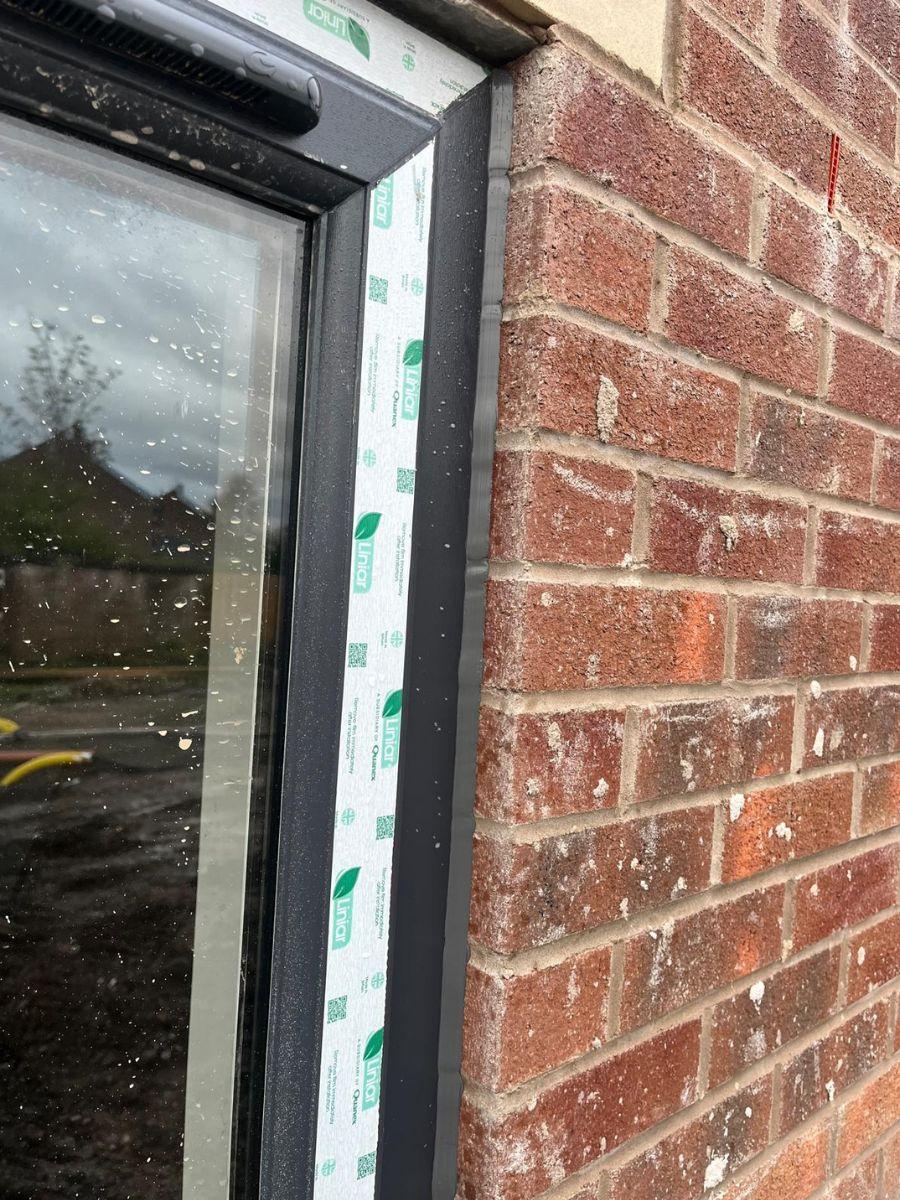
05External mastic is not just cosmetic trim; it is the building envelope's primary defence against weather penetration. When an external window seal fails, rainwater tracks directly into the cavity wall.
Over time, trapped moisture rots timber window sub-frames, rusts steel lintels, saturates cavity insulation (massively increasing winter heating bills), and causes blown internal plaster that costs thousands to replaster and redecorate.
Replacing worn perimeter mastic early is one of the most cost-effective preventative maintenance jobs a property owner or facility manager can carry out.
How a professional mastic contractor replaces external seals
06Professional external resealing is a methodical engineering process:
First, all existing failed sealant is mechanically raked out and cut away from both the frame and masonry face. Second, the reveal is brushed clean of loose mortar and wiped with industrial solvent degreasers.
Third, correct-diameter closed-cell backing rod is inserted into the void to establish the ideal 2:1 width-to-depth joint ratio. Finally, a premium low-modulus neutral cure silicone or MS polymer is extruded and tooled with a weather-lap profile that sheds rainwater downwards.
Need your external windows or building envelope resealed?
07Whether you need the windows and doors resealed on a domestic home across the North West, or full commercial façade weatherseal remedial works nationwide, Next Level Sealants provides fully certified specialist service.
Our teams hold CSCS, CITB SSSTS, IPAF for mobile elevated access, and IRATA Level 3 rope access for high-level high-rise window perimeters.
Take 2 or 3 photos of your window perimeters or building elevation and message Liam on WhatsApp for fast advice and a fixed quote.
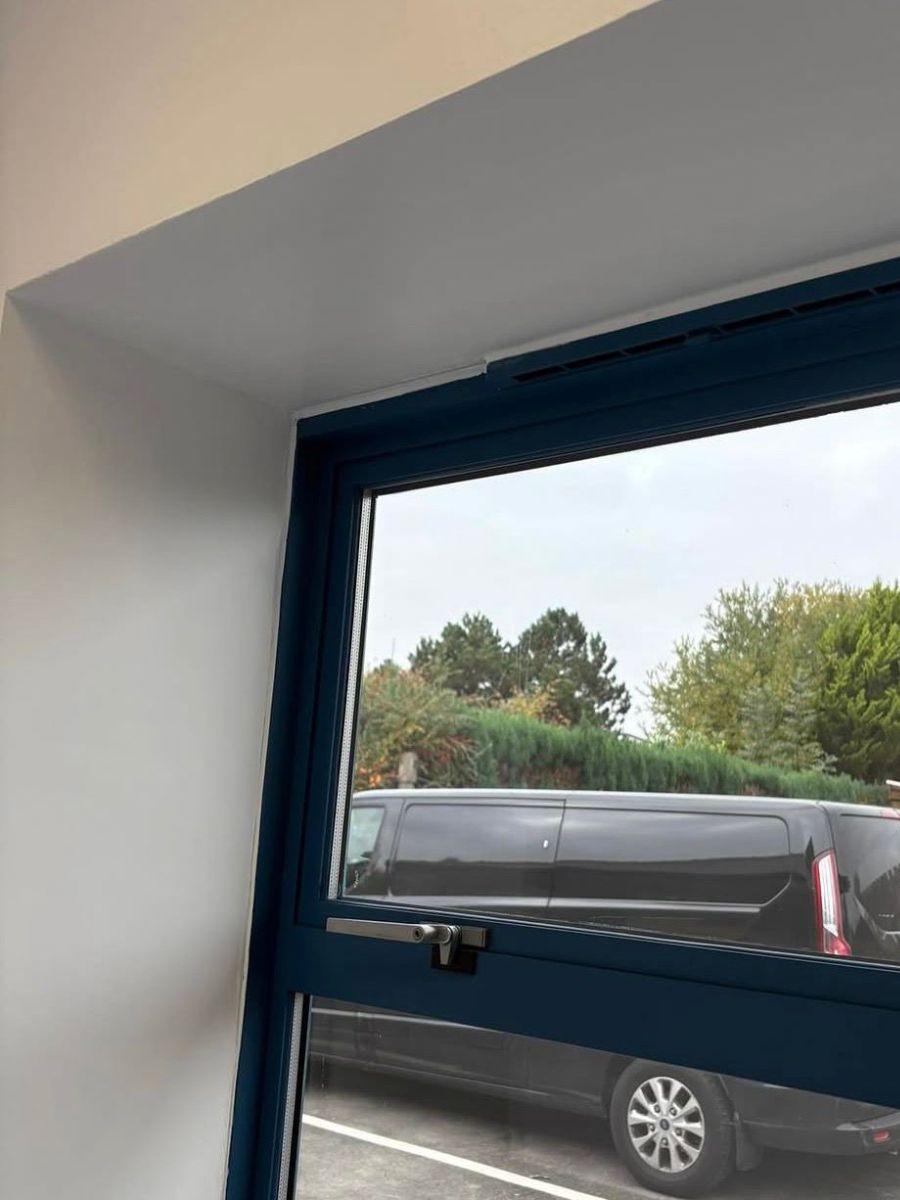

Completed by Next Level Sealants
See more of our domestic & commercial project albums
FAQ
Frequently Asked Questions
How often should external window mastic be replaced?+
High-grade low-modulus external silicone applied by a specialist typically lasts 15 to 20 years. However, south-facing elevations exposed to intense UV or coastal winds should be visually inspected every 5 to 7 years for early signs of peeling or cracking.
Can you put new external mastic over old mastic?+
No, never. New silicone will not bond to weathered, dirty, or mouldy silicone. A 'capping' bead will peel away within months. All old sealant must be raked out to clean bare frame and masonry before applying new mastic.
Does failed external mastic cause damp inside around windows?+
Yes. Failed external mastic is one of the primary causes of damp internal window reveals, peeling paint, and mould growth around frames. Water penetrates the perimeter gap, enters the cavity, and bridges across to the internal plaster.
What is the best mastic for external windows and doors?+
A low-modulus neutral cure silicone (such as Dowsil 791 or SikaHyflex) or an MS polymer hybrid is best. They offer high movement accommodation (±25%), superior UV and weather resistance, and non-corrosive adhesion to UPVC, aluminium, timber, and brick.
Can external mastic be applied in cold or wet weather?+
Sealants should never be applied onto wet, frosted, or damp brickwork, as moisture destroys adhesion. While neutral cure silicone can withstand freezing once cured, application must be done on dry substrates above 5°C for optimal bonding.
What does low-modulus mean for external mastic?+
Low modulus means the cured silicone is soft and stretchy, placing very little strain on the bond line when the window frame expands or contracts. High-modulus silicone is stiffer and pulls away from brickwork under thermal movement.
How do I get a fixed quote for resealing my external windows and doors?+
Send 2 or 3 photos showing your external window and door perimeters along with your postcode on WhatsApp to Liam. We provide a clear, all-inclusive fixed quote before booking.